
Tour Details
Three days is enough time to see Luxor properly — both riverbanks, the major tombs and temples, and a sunrise hot air balloon over the Valley of the Kings — without the rushed, single-day version most Nile cruise passengers or Cairo-based day-trippers settle for. This itinerary spreads Luxor's East Bank (the temples of the living) and West Bank (the tombs of the dead) across two full days, with a third morning free for the balloon ride and any sites you didn't get to. Below is the full day-by-day plan, how it compares to a rushed one-day visit or a longer week-long stay, and who this length actually suits.
Who This Itinerary Suits
This length suits travelers who want Luxor as a real, standalone stop — not a rushed stopover between a Nile cruise and the airport — but don't have a full week to dedicate to Upper Egypt. It's a natural add-on before or after a Nile cruise for travelers who feel one day in Luxor wasn't enough, or a standalone base for anyone flying into Luxor directly from Cairo or the Red Sea without doing the cruise at all. It also suits early risers specifically — two of the three days start before 08:00, which is non-negotiable for beating the heat and the crowds at the major sites.
Planning Notes
- Best time to travel: October through April; by June, Luxor regularly exceeds 40°C by mid-morning, making the West Bank's exposed sites uncomfortable.
- Balloon ride timing: Weather-dependent and occasionally cancelled at short notice — build in flexibility rather than scheduling a tight onward connection right after.
- Extra tomb tickets: Tutankhamun's tomb and Nefertari's tomb both require separate tickets beyond the standard Valley of the Kings entry — worth deciding in advance whether they're a priority.
- Getting between banks: A private driver handles the West Bank crossing via bridge; the East Bank sites are walkable or a short taxi ride apart.
Why 3 Days — Not 1, Not 7
A one-day Luxor visit, the version most Nile cruise itineraries and Cairo day-trip packages default to, typically covers only Karnak and the Valley of the Kings, skipping Luxor Temple, Hatshepsut's temple, and the balloon ride entirely — workable if Luxor is a brief stop on a longer Egypt trip, but not enough if Luxor itself is the priority. A full week in Luxor, on the other hand, only makes sense for travelers adding Dendera and Abydos temples (roughly 3–4 hours round-trip from Luxor) or genuinely slow, unhurried sightseeing with rest days built in — for most travelers, that's more time than the sites themselves demand. Three days is the point where both riverbanks, the major tombs, and the balloon ride all fit without rushing, and without paying for downtime you won't use.
Price Include
- 2 nights Hotel accommodation + breakfast in Luxor
- 2-day tour sightseeing in Luxor
- Entrance fees to all the mentioned sites in our itinerary
- English-speaking tour guide during the visits.
- Private vehicle with air conditioning
- All service charges & taxes
Price Excludes
- International flight ticket.
- Entry visa to Egypt
- Optional tours
- Personal Expenses
- Tipping (Recommended)
Day Tour Itinerary
Day 1: Arrival in Luxor
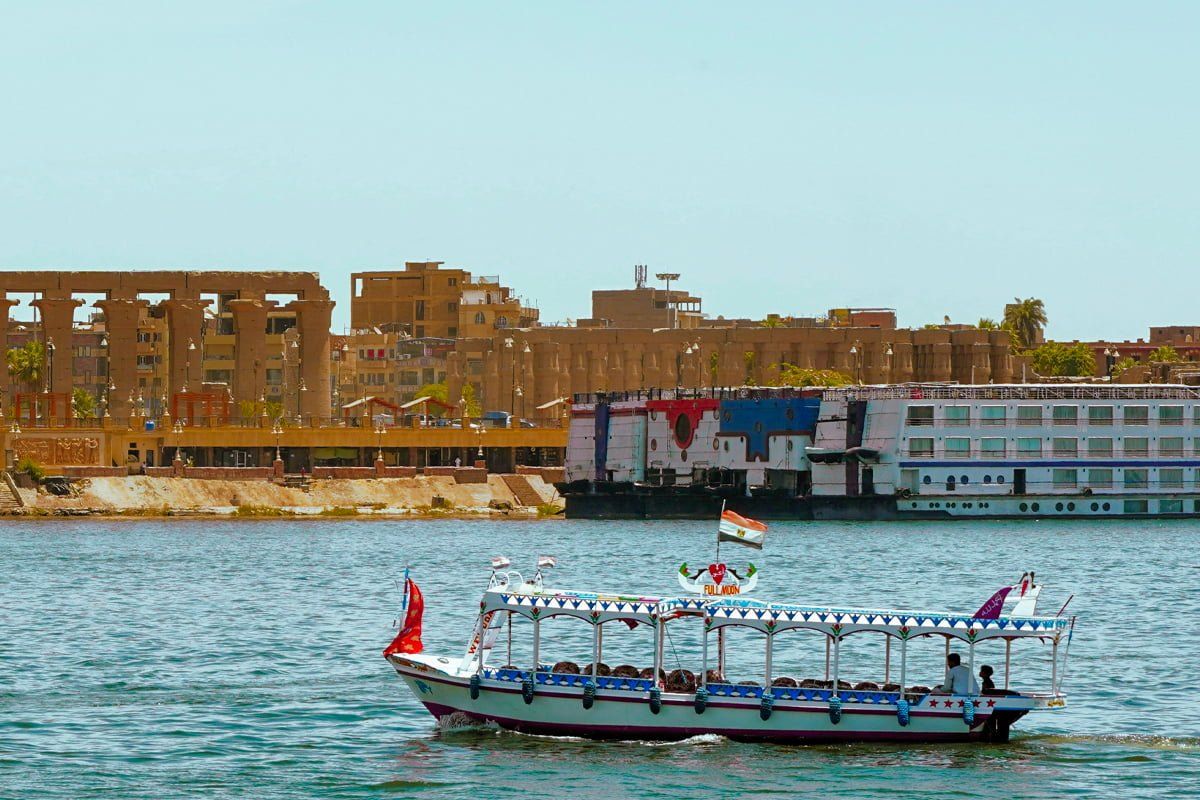
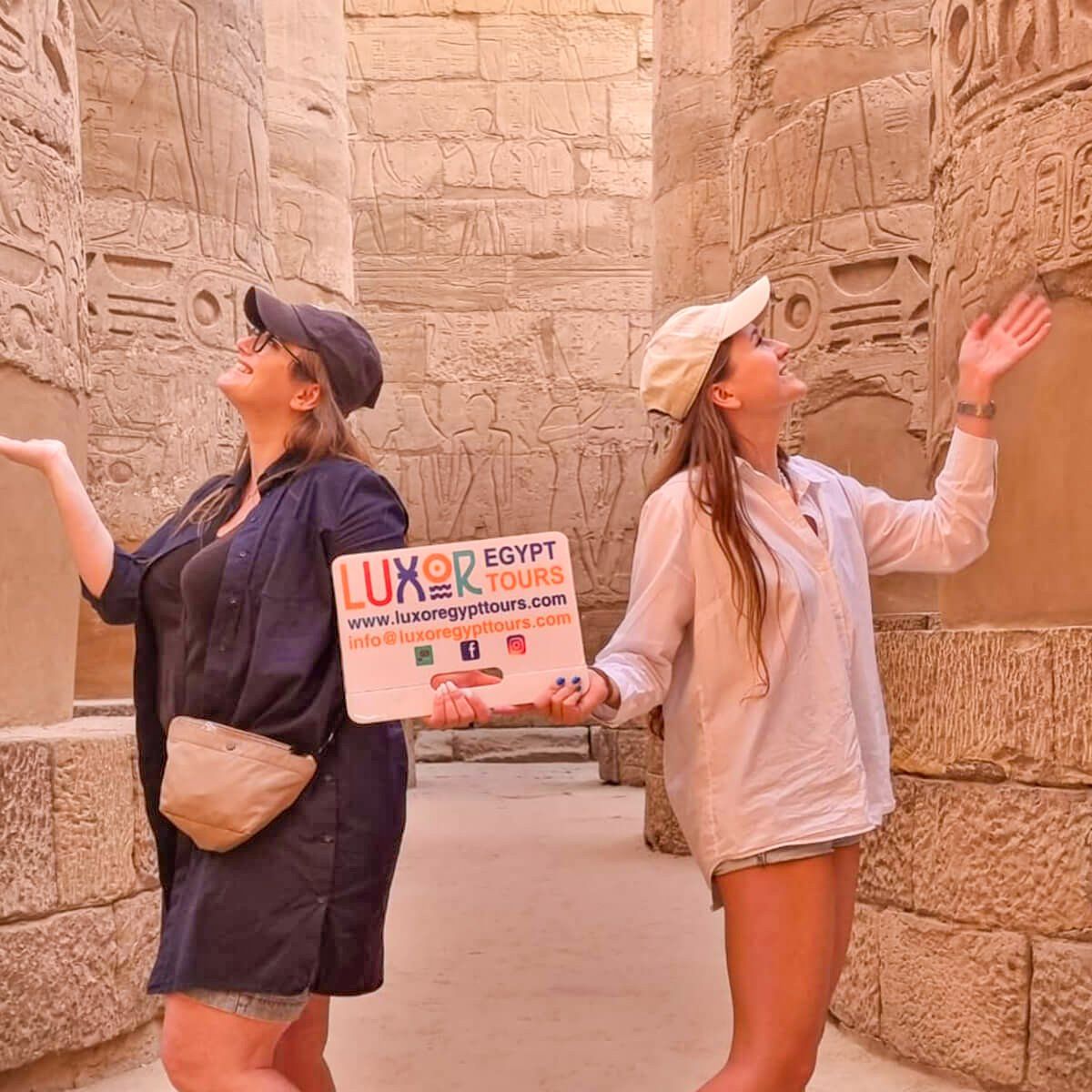
Most visitors arrive in Luxor either by domestic flight from Cairo or by disembarking a Nile cruise, so this first day starts with check-in and a light lunch before the afternoon's main event. At 15:00, head to Karnak Temple — not a single building but a sprawling religious complex built up over roughly 2,000 years by successive pharaohs, each adding their own pylon, obelisk, or hall. Its Hypostyle Hall alone holds 134 towering stone columns, some over 20 meters tall, densely packed enough to swallow the crowds even at busy times. From Karnak, a short walk along the restored Avenue of Sphinxes — recently reopened after decades underground — leads to Luxor Temple, best timed for golden hour, when its columns and the seated colossi of Ramses II at the entrance are lit gold by the setting sun. Dinner afterward at a restaurant along the Corniche, with the Nile and the West Bank cliffs visible across the water.
Day 2: West Bank: Valley of the Kings, Hatshepsut, and the Colossi of Memnon
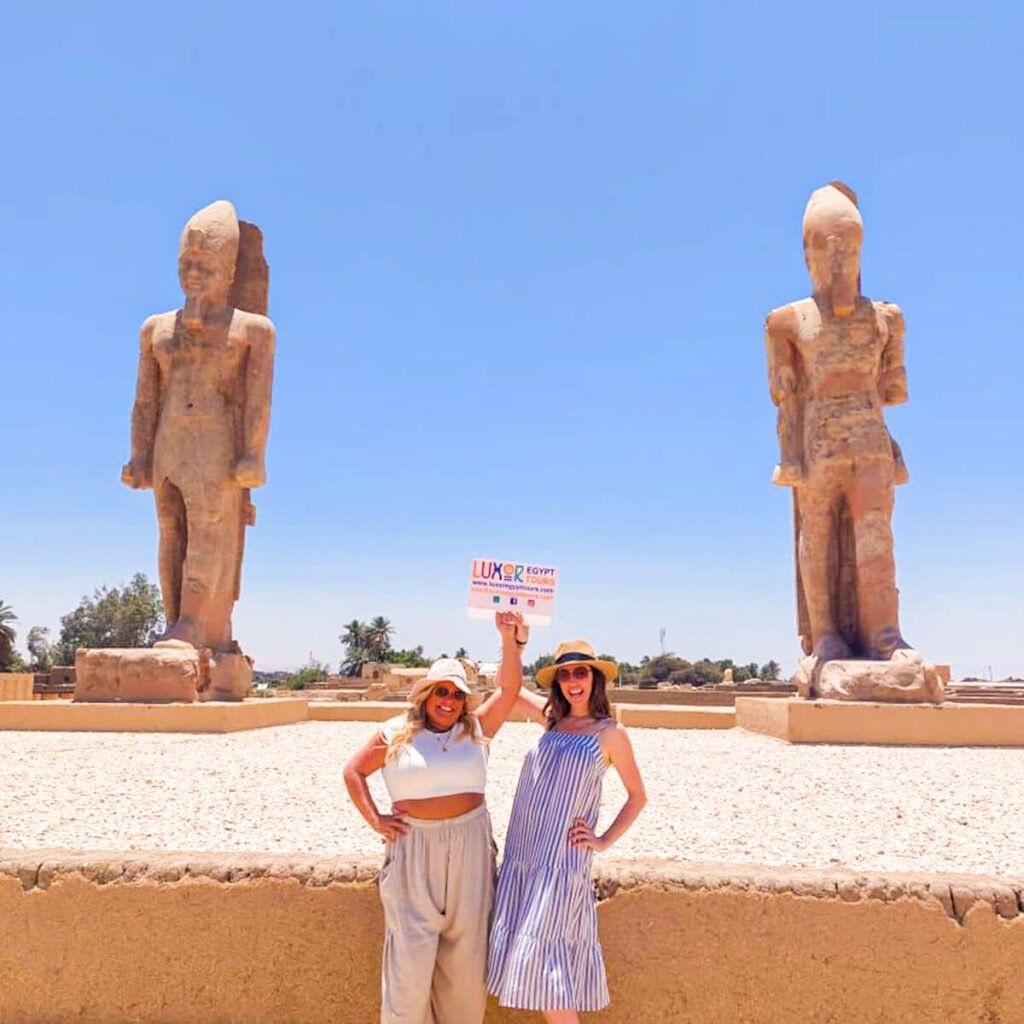
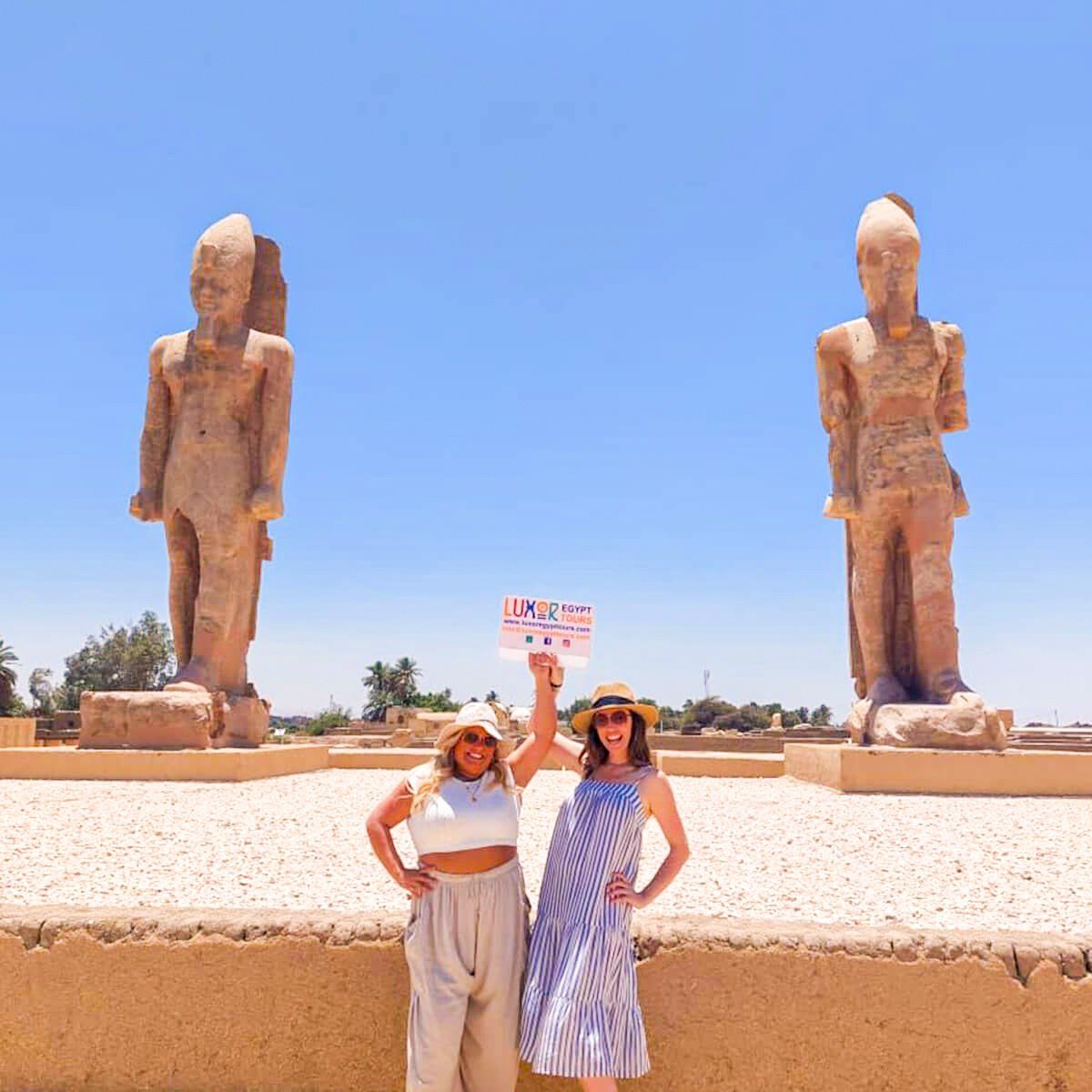
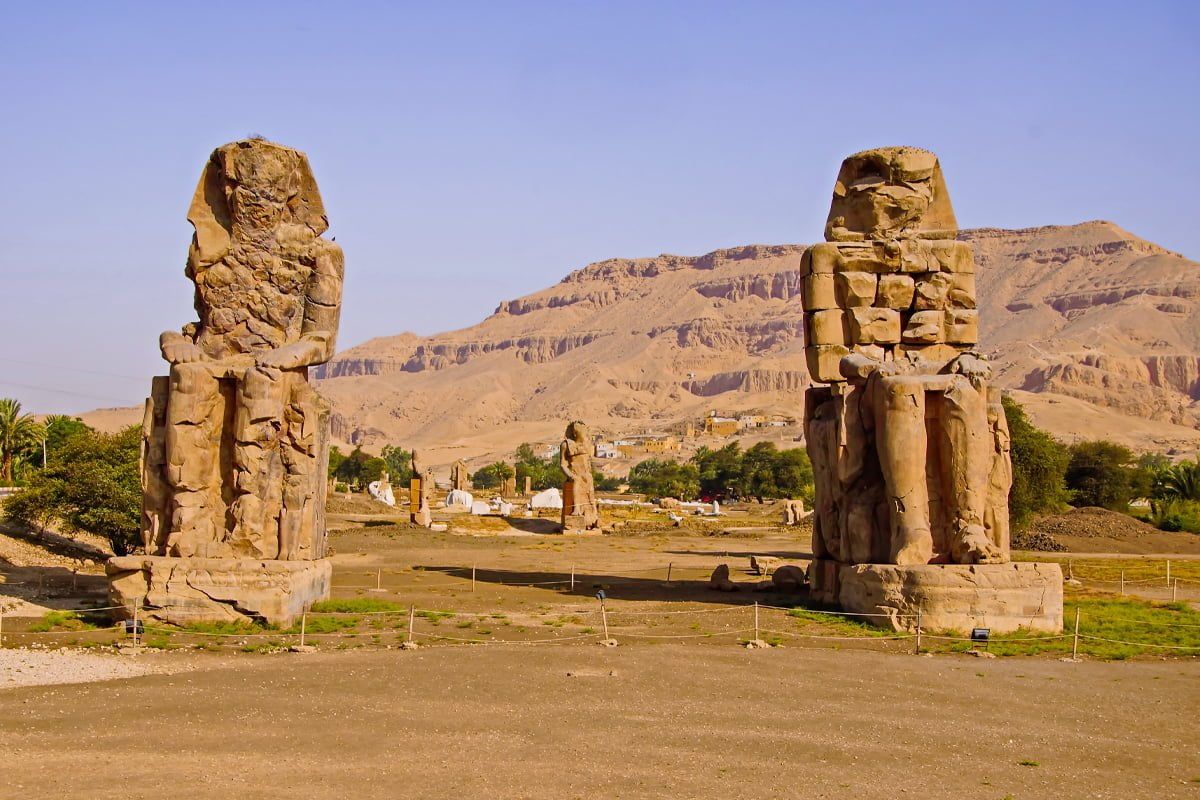
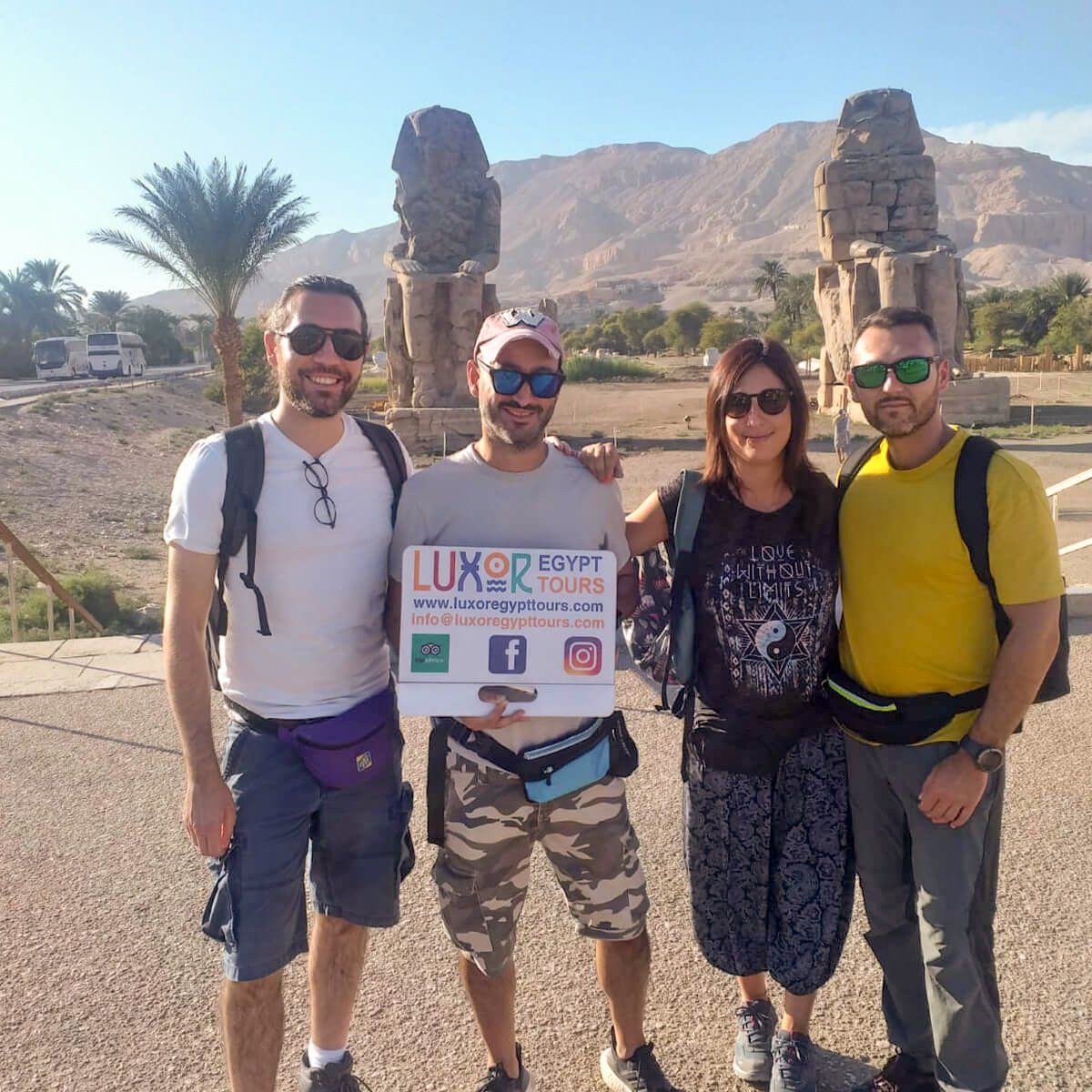
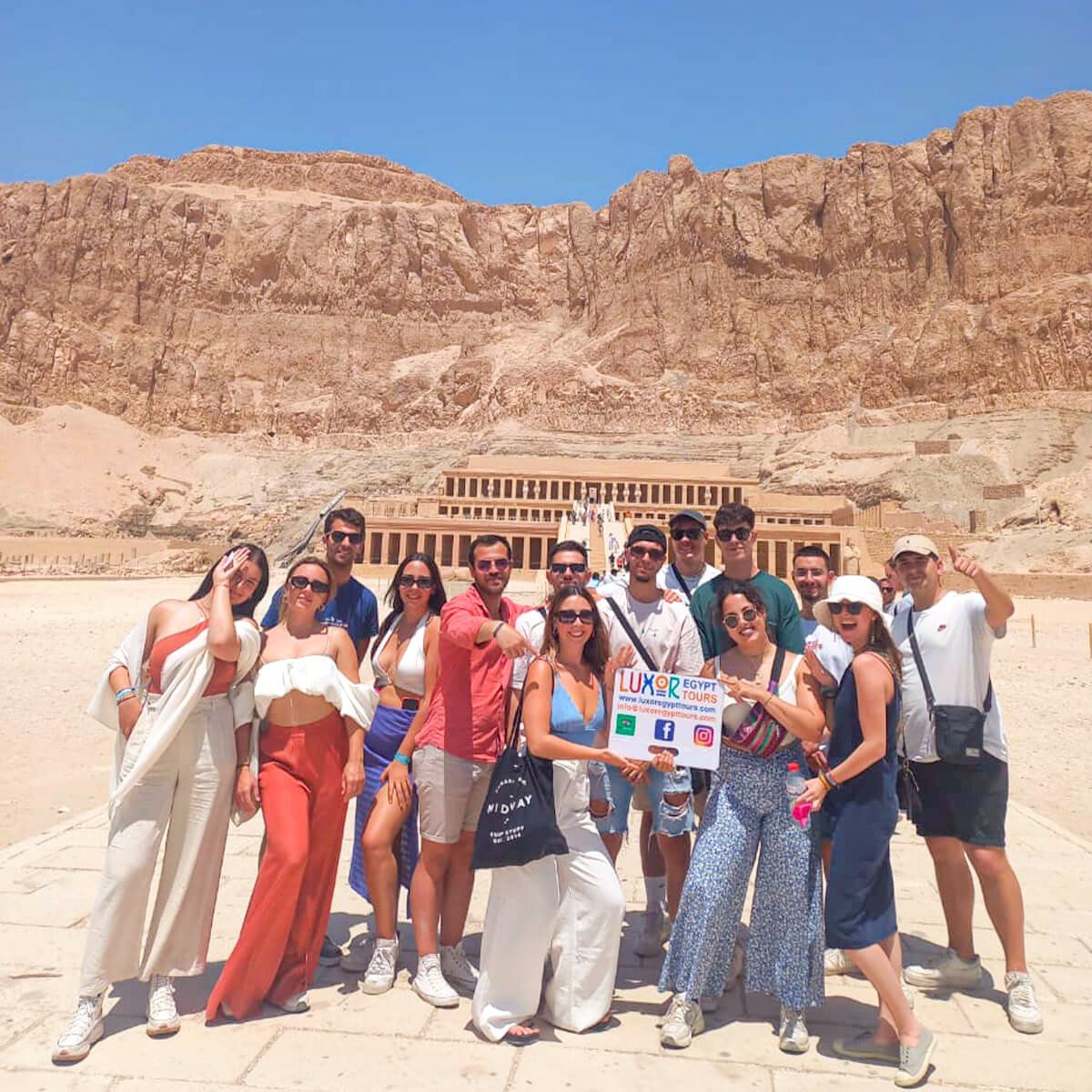
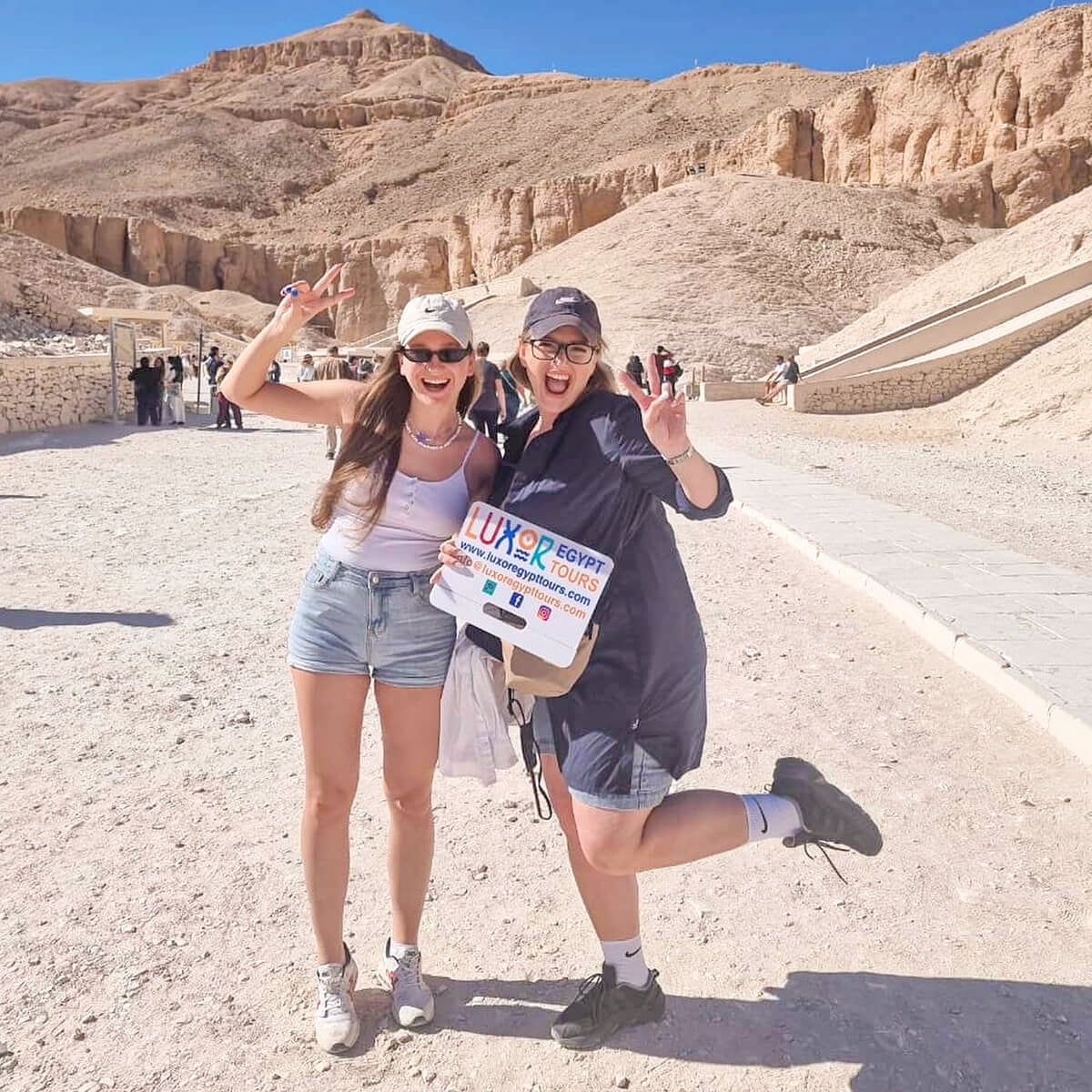
An early 08:00 crossing to the West Bank beats both the heat and the tour-bus crowds. The Valley of the Kings holds over 60 known tombs cut deep into the desert cliffs — pharaohs abandoned pyramid-building here in favor of hidden, guarded tombs, hoping to outwit robbers (most tombs were looted within a few centuries regardless). Standard tickets grant entry to three tombs; Tutankhamun's tomb, small but famous, and Seti I's, one of the largest and most elaborately painted, both require separate tickets worth budgeting for. From the Valley, continue to Hatshepsut's mortuary temple at Deir el-Bahari — three tiered colonnaded terraces built directly into the cliff face, unlike anything else in Egyptian temple architecture, commissioned by one of the few women to rule as pharaoh in her own right. On the way back toward the ferry, stop at the Colossi of Memnon: two 18-meter seated statues that have stood alone in an open field for over 3,400 years, all that remains of a mortuary temple that once stood behind them. For travelers with extra energy, the afternoon can extend to Medinet Habu (Ramses III's well-preserved mortuary temple) or the Valley of the Queens, home to Nefertari's tomb — one of the most vividly painted tombs in Egypt, though it requires a separate, often pre-booked ticket.
Day 3: Sunrise Balloon Ride & Departure
The trip's final morning starts before dawn: a 05:00 hotel pickup for a hot air balloon flight over the West Bank, lifting off as the sun rises over the Valley of the Kings, the Ramesseum, and the cultivated green fields bordering the desert — widely rated as one of the most memorable single experiences in Egypt, weather permitting (flights are occasionally cancelled for wind and rebooked where possible). Back on the ground by 08:00, the rest of the morning is left free for anything missed earlier — the Luxor Museum, a small but well-curated collection focused specifically on Theban artifacts, or the Mummification Museum along the Corniche — before transferring to the airport or your onward cruise connection.
Things to Know About Our Pricing Policy
Prices are in US dollars per person, and you receive a confirmation voucher by email within 24 hours of booking. Payment terms, cancellation fees and children’s rates are set out in full on our Booking Policies & FAQ page.
Things to bring with you
- A valid Passport for 6 months
- Sunblock & Sunglasses
- Sanitizer gel & Water holder
- Warm clothes in winter
- Cotton clothes in summer
- Camera & Umbrella
- A Hat & Comfortable shoes
Tour FAQ
Is this tour completely private?
Yes, this is a private tour.
Are entrance tickets covered?
Yes, the tour price covers entry fees for its stops.
Answers to common questions about refunds, changing your travel date, visas, payment and gratuities are on our Booking Policies & FAQ page.