
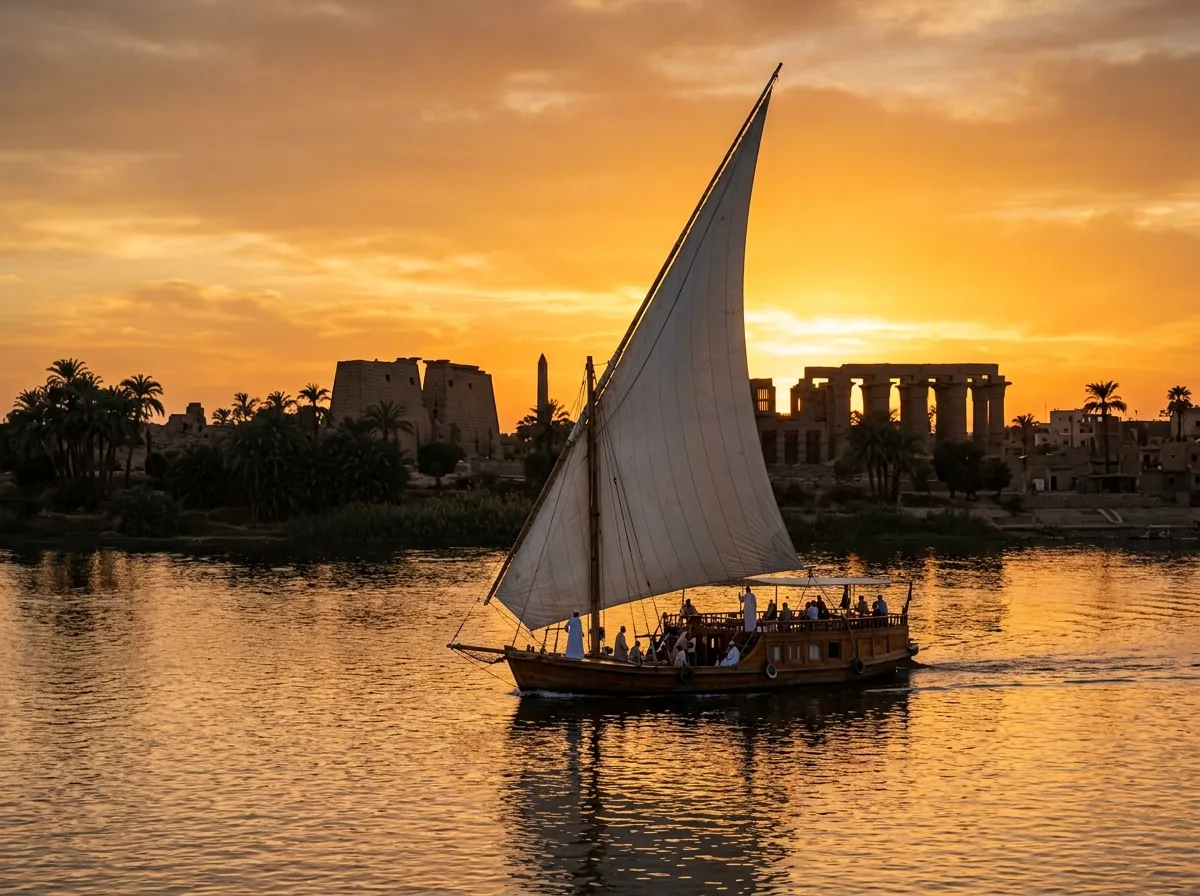
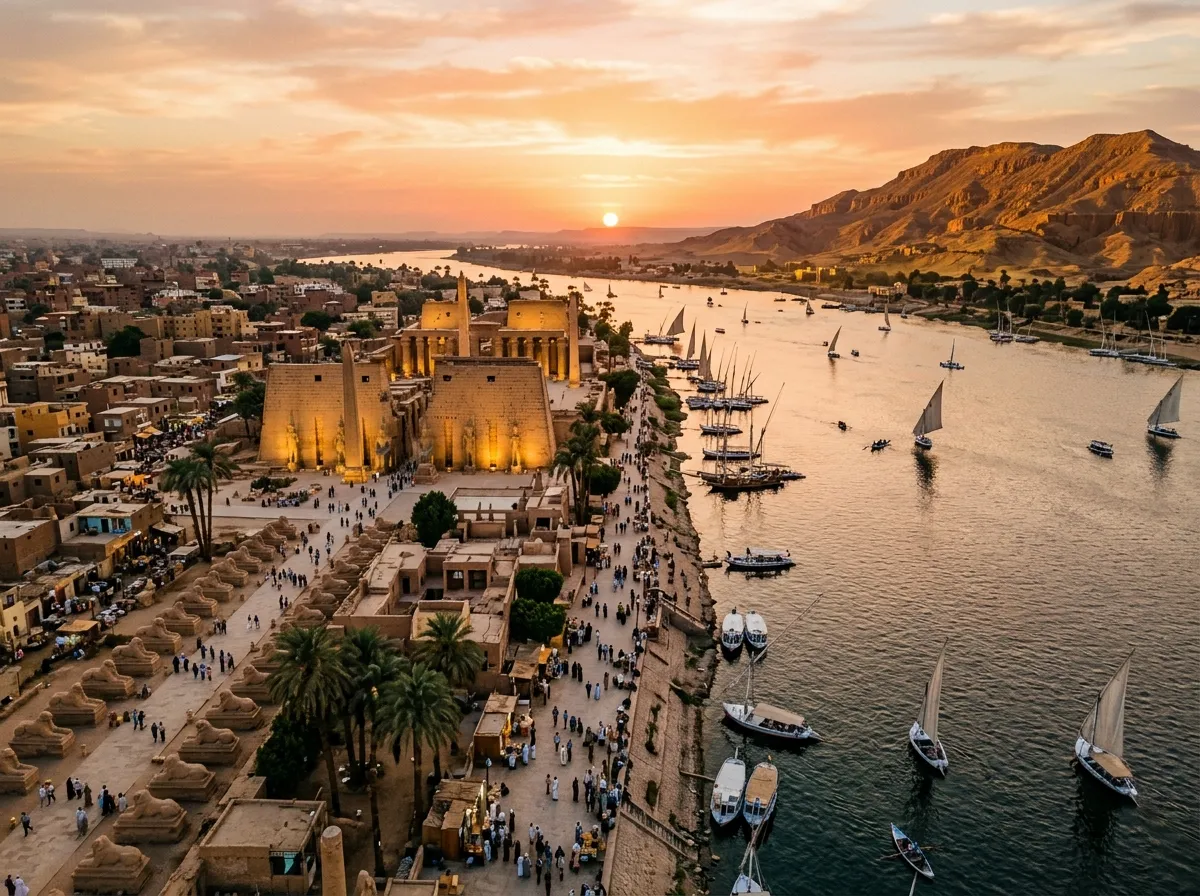
Luxor is the gateway to ancient Thebes and a vibrant hub for travelers exploring ancient Egypt along the Nile. This pillar guide helps planners, first-timers and returning visitors alike understand how to approach Luxor tours with clarity, confidence, and the right expectations.
For readers who want to explore the scholarly and historical context behind some of the sites and artifacts discussed above, the following sources offer a starting point for further reading and verification:
Ready to plan your Luxor adventure? Our team can tailor Luxor tours that fit your pace, interests, and travel window. Start with a conversation about whether to pair Luxor with a Nile cruise, and explore curated options designed to deliver both depth and ease. See the MS Nile Goddess Nile Cruise for a sample of how a river journey can complement Luxor day tours, or contact us for a personalized plan that matches your dates and preferences.
Related guides and resources:
Luxor tours: planning to maximize time, value, and immersion
Choosing when to travel, where to stay, and how to structure experiences can make or break a Luxor visit. The city offers monumental monuments, intimate temples, and engaging cultural exchanges that reward careful planning. For context, Luxor’s famous monuments and the surrounding landscape have drawn explorers for generations, from antiquity to modern travel writing and museum initiatives. In particular, Ramesses II introduced marginal inscriptions to obelisks in the era of Ramesses II’s innovations, demonstrating how sites were continuously reinterpreted and repurposed through inscriptions and texts that travelers still encounter today . In parallel, iconic monuments and their relationship with the river have long fascinated readers and historians alike, as seen in historic discussions of obelisks and their journeys to distant shores . In Luxor today, visitors often pair site-based explorations with a Nile experience to enrich context and pace .Where to base your Luxor tours: East Bank, West Bank, or both
The East Bank is home to the grand temples such as Karnak and Luxor Temple, while the West Bank holds the necropolis landscapes and mortuary temples that offer a different mood and perspective. A balanced approach—spending time on both banks—helps travelers experience how ancient rites, monumental architecture, and riverine settings intersect. This dual approach is common among travelers who want to understand how antiquity was structured around both sacred space and daily life. For Luxor enthusiasts and museum lovers, the nearby Luxor Museum provides an opportunity to place monuments in a broader cultural narrative, connecting visitors with antiquities while addressing local heritage and education programs that engage residents .Luxor highlights and ways to experience them
Luxor’s ancient landscapes are not a single checklist but a spectrum of experiences—gaze upon colossal architecture, walk through grand hypostyle halls, and read marginal inscriptions that reveal royal and priestly actions. A key feature cited by scholars and curators is the practice of dedicatory and marginal texts that adorned monuments, offering a lens into how kings like Ramesses II used inscriptions to project power and piety across generations (a detail reflected in Karak and obelisk inscriptions) . In Luxor, you’ll also encounter stories preserved in artifacts and in the way museums present the past to local communities. The Luxor Museum, for example, has made a concerted effort to create an interchange between the inhabitants and the museum’s collections, highlighting archaeological discoveries and current research through regular seminars and public engagement . While exploring the broader region, travelers often notice how the Nile itself has shaped travel narratives. The Nile valley route—whether by riverine transport or a Nile cruise—offers a different tempo for visiting sites, balancing intense site-walking with opportunities to reflect along the water .Iconic landmarks you may encounter on Luxor tours
The Karnak complex, Luxor Temple, and the Valley of the Kings remain central pillars of most Luxor experiences. In addition to temple façades and hypostyle halls, look for inscriptions that reveal how ancient priests and kings used sacred space to communicate with the divine. Inspired by historical discussions of sacred space and epigraphic practices in Karnak and Luxor, travelers can appreciate how text and imagery illuminate the religious and political life of the era . Nearby, the obelisks and their textual adornments tell a story about how monuments traveled and were reinterpreted, a narrative that continues to intrigue researchers and travelers alike. For example, one of the famous obelisks that once stood outside the Temple of Luxor, and its related inscriptions, is part of a broader history of monumental obelisks and their journeys (including famous needle pairs in other cities) that shaped Western interest in ancient Egypt .
Pairing Luxor with a Nile cruise: a natural fit
Many travelers combine Luxor sightseeing with a Nile cruise to experience both the intense site-based awe of Luxor and the tranquil rhythm of the river. The Nile journey provides a complementary perspective on daily life along the valley and offers a relaxed pace after long days of temple-walking. Historical accounts of river travel and early exploration emphasize the region’s enduring appeal for travelers seeking a blend of monuments, culture, and scenery along the Nile . When planning, consider how a river route might enhance your Luxor experience by allowing time for rest, reflection, and on-cruise lectures or guided talks about inscriptions, architecture, and religious practice. This blended approach has become a common pattern for travelers who want depth without fatigue .Practical planning for a smooth Luxor experience
Practical planning begins with timing. The climate in the Nile Valley varies seasonally, so plan around weather, crowds, and personal energy levels. Deciding how many days to spend—Luxor alone or paired with a Nile cruise—depends on your pace, interests, and how much time you have for a deeper dive into ancient sites and local culture. For context, Luxor’s place in the broader history of Egyptian monuments has long attracted researchers, travelers, and journalists who sought to understand the continuity of sacred spaces, inscriptions, and monument-building from antiquity to modern museums . When you book Luxor tours, you’ll often see options that combine legendary sites, guided interpretations, and curated experiences. If you’re curious about how these experiences are shaped today, consider tours hosted by reputable operators that emphasize both accessibility and scholarship. These approaches seek to balance authoritative context with genuine traveler enjoyment, helping you feel informed and comfortable as you explore. Safety and etiquette are practical concerns for any traveler. While Luxor is widely praised for its hospitality and well-trodden paths, it’s wise to follow local guidance, stay hydrated, and respect access rules at sensitive sites. A reputable operator can help you navigate these considerations while keeping your itinerary flexible and enjoyable.How to book: choosing a Luxor experience that fits you
To ensure a seamless experience, start with a clear sense of your interests—ancient temples, discovery of inscriptions, or immersive cultural activities—and then select tours that align with those preferences. Our team focuses on curated Luxor experiences designed to deliver depth, context, and comfort, with attention to how sites relate to ongoing archaeological and educational work in the region. If you’d like to explore options that pair history with convenience, consider tours like a full-day discovery that includes the Pyramids and adjacent sites, or a Nile-based itinerary that blends sailing with guided site visits. For example, you might explore: Full day tour to Cairo from Aswan by flight or the Giza Pyramids and Egyptian Museum & Old Cairo experience, both of which offer a broader framing for your Egypt trip and can be combined with Luxor stays or standalone Luxor experiences. Details and availability can vary, so it’s best to confirm current offerings with our team or trusted partners , . To start planning now, you can explore related tours directly through our partner pages: Full day tour to Cairo from Aswan by flight and Giza Pyramids And Egyptian Museum & Old Cairo. These options illustrate how Luxor can be integrated into a broader Egyptian itinerary, either as stand-alone days or as complements to Luxor-based experiences. The Nile cruise option is also a popular pairing for a balanced pace (see our Nile-focused tours for more possibilities) .Key planning tips for a confident Luxor experience
- Plan to view monuments with a flexible schedule to avoid peak heat or crowds; consider morning or late-afternoon visits when light enhances architecture and inscriptions.
- Balance site visits with rest periods and cultural experiences to maintain energy and enjoyment across several days.
- Choose guided experiences that incorporate context on inscriptions, texts, and the site’s historical role in religious and daily life; this helps you see beyond stone and columns to the people who built and used these spaces .
- Consider pairing Luxor with a Nile cruise for a relaxed pace and a broader narrative about life along the Nile valley .
- Engage with educational programs or museum-based discussions where possible to deepen understanding and support heritage initiatives that connect residents with their past .
References and the broader context
- Luxor Museum and community engagement: Madline Y. El Mallah, The Luxor Museum of Ancient Egyptian Art: The Challenge of Abundance, UNESCO materials, 1998. This work discusses how museums in Luxor are engaging local communities and visitors through seminars and educational programs .
- Inscriptions and monument inscriptions at Karnak and Luxor; marginal inscriptions and dedicatory texts on obelisks, Ramesses II innovations, and related practices: See Veils, Votives, and Marginalia: The Use of Sacred Space at Karnak and Luxor, with discussion of marginal inscriptions on obelisks and related inscriptions .
- Obelisks and travel narratives in the modern era, including Cleopatra’s Needles and related obelisks, as part of the broader history of Egyptology and travel writing: d’Alton, The New York Obelisk and related pieces on Cleopatra’s Needle and the journey of obelisks to distant shores (and S4 for parallel commentary).
- River travel and exploration along the Nile as a context for Luxor visits, including early Nile cruise development and travel writing: Sandford Paleolithic Man and the Nile Valley in Upper and Middle Egypt, in which river travel and exploration are framed in the context of wider Nile studies .